Compare Top Local Operators
100% Free

Planning a trip to South Sudan?

Share your travel plans and get free itineraries and quotes from multiple trusted local operators.

Itineraries tailored to your travel plans Compare quotes from multiple local operators Connect directly with trusted local operators
Get Free Quotes

10k+ travelers have submitted inquiries

South Sudan - Travel Guide

3.9

Must-see attractions, popular activities, and featured local operators

East Africa

South Sudan, the world's youngest nation, offers a rich tapestry of travel experiences that reflect its diverse cultures and stunning landscapes. Adventurous travelers can explore the vast Sudd wetlands, one of the largest swamp areas globally, home to unique wildlife and vibrant bird species. The capital, Juba, showcases a blend of traditional and modern influences, with bustling markets and local cuisine inviting exploration. Notable landmarks include the striking landscapes of the Boma National Park, known for its migratory animal herds. South Sudan's vibrant culture is deeply rooted in its many ethnic groups, offering opportunities to engage with local traditions through music, dance, and festivals, making it a unique destination for the intrepid traveler.

Attractions

Language

South Sudan is a linguistically diverse nation, with over 60 indigenous languages spoken across its various ethnic groups. The most widely spoken local language is Arabic, often referred to as Juba Arabic, which serves as a lingua franca among different communities. English is the official language, a legacy of colonial rule, and is increasingly used in government, education, and business.

Best Time to Visit

The best time to visit South Sudan is during the dry season, which typically runs from November to March. During these months, the weather is more pleasant, with lower humidity and minimal rainfall, making it ideal for outdoor activities and exploring the country's stunning landscapes and wildlife. Additionally, this period coincides with various cultural festivals and events, offering travelers a unique opportunity to experience the rich traditions and vibrant communities of South Sudan.

Month
Weather Overview
January
January in South Sudan is characterized by dry and cool conditions, with average temperatures ranging from 20°C to 30°C (68°F to 86°F). Precipitation is minimal, and humidity levels are lower, making it one of the most comfortable months for travel.
February
February remains dry, with temperatures gradually rising, averaging between 22°C and 32°C (72°F to 90°F). Humidity levels start to increase slightly, but overall, it's still a great time for outdoor activities and exploration.
March
March continues the trend of warm, dry weather, with temperatures reaching 25°C to 35°C (77°F to 95°F). Precipitation is still low, though humidity begins to rise, signaling the approach of the rainy season.
April
April marks the transition into the rainy season, with temperatures averaging between 24°C and 34°C (75°F to 93°F). Rainfall begins to increase, particularly towards the end of the month, and humidity levels rise significantly.
May
May is characterized by increased rainfall, with temperatures ranging from 23°C to 33°C (73°F to 91°F). Humidity levels are high, making it feel warmer than it is, and travel may be more challenging due to muddy conditions.
June
June experiences heavy rainfall, with temperatures averaging 22°C to 31°C (72°F to 88°F). Humidity levels remain elevated, and travel can be difficult, especially in rural areas where roads may become impassable.
July
July sees continued rainfall, with average temperatures between 21°C and 30°C (70°F to 86°F). The humidity remains high, and while the landscape becomes lush and green, travel is still hindered by wet conditions.
August
August is one of the wettest months, with temperatures ranging from 21°C to 29°C (70°F to 84°F). The persistent rain and high humidity can lead to travel disruptions, but it’s also a time for vibrant wildlife and lush landscapes.
September
September marks the tail end of the rainy season, with temperatures averaging 21°C to 30°C (70°F to 86°F). Rainfall begins to decrease, but humidity remains high, making it a transitional month for travel.
October
October sees a reduction in rainfall, with temperatures ranging from 21°C to 32°C (70°F to 90°F). The humidity starts to drop, making it more comfortable for travel, as the landscape begins to dry out.
November
November marks the start of the dry season, with average temperatures between 20°C and 31°C (68°F to 88°F). Precipitation is minimal, and humidity levels are lower, making it one of the best months for travel.
December
December features cool, dry weather, with temperatures ranging from 18°C to 29°C (64°F to 84°F). This month offers pleasant conditions for exploring South Sudan, as rainfall is rare and humidity remains low.
Festivals

Month:7
Festival:South Sudan Independence Day

Celebrated annually, South Sudan Independence Day marks the country's independence from Sudan in 2011. The day is filled with national pride, featuring parades, cultural performances, and speeches by government officials. Travelers can experience vibrant celebrations in major cities, where traditional music and dances showcase the rich cultural diversity of South Sudan.

Month:12
Festival:South Sudan Cultural Festival

This festival celebrates the diverse cultures and ethnic groups of South Sudan through music, dance, and art. It usually takes place in Juba and features traditional attire, crafts, and culinary delights. Travelers attending can immerse themselves in the local culture, enjoy performances, and participate in workshops that promote cultural exchange.

Cuisine

Aloo

Aloo

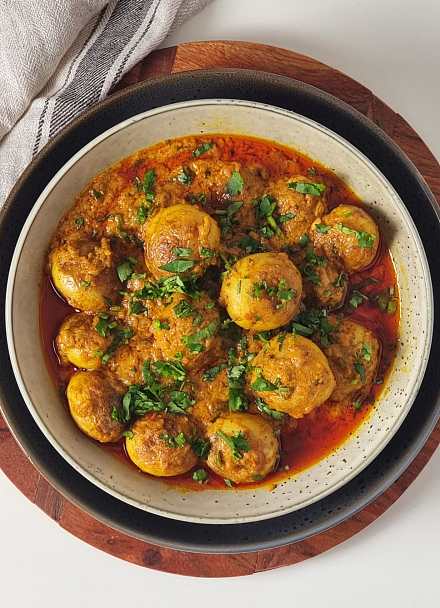
Aloo is a popular stew made with meat (often beef, goat, or chicken), vegetables, and spices. The meat is typically slow-cooked with onions, tomatoes, and local spices until tender, creating a flavorful dish often served with sorghum or rice.

Fattah

Fattah

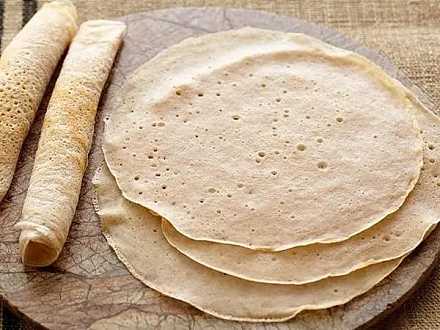
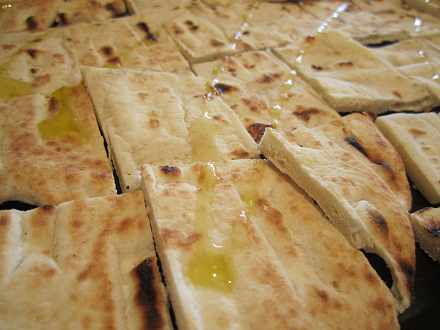
Fattah is a traditional flatbread made from wheat flour, water, and salt, cooked on a hot surface. This bread is often served alongside stews or used to scoop up sauces, providing a hearty accompaniment to meals.

Jebena

Jebena

Jebena is a thick porridge made from ground sorghum or millet mixed with water and cooked until creamy. It is a staple breakfast dish, often enjoyed with sugar or honey and sometimes accompanied by milk.

Kisra

Kisra

Kisra is a fermented flatbread made from sorghum flour, water, and a bit of salt, traditionally cooked on a circular griddle. It serves as a base for various stews and dishes, being a staple in many South Sudanese households.

Gari

Gari

Gari is made from fermented cassava that is grated and then fried until crispy. These fritters are often enjoyed as a snack or side dish and can be served with sauces or dips.

Malwa

Malwa

Malwa is a traditional fermented beer made from sorghum or millet, brewed by local communities. It has a slightly sour taste and is often enjoyed during social gatherings, reflecting the communal culture of South Sudan.

Chai

Chai

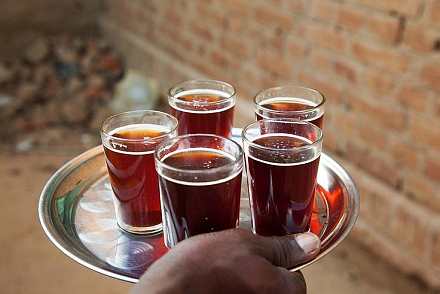
Chai in South Sudan is typically made with black tea leaves brewed with milk and sugar, often flavored with spices like ginger or cardamom. It is a popular beverage served during social occasions and family gatherings.

Bouye

Bouye

Bouye is a refreshing drink made from the pulp of the baobab fruit mixed with water and sweetened to taste. The drink is rich in vitamin C and has a tangy flavor, making it a popular choice, especially in hot weather.

Packing

When visiting South Sudan, pack lightweight, breathable clothing suitable for warm temperatures, such as cotton shirts and trousers, along with a light jacket for cooler evenings. Don't forget a sturdy pair of walking shoes or hiking boots for exploring rugged terrains. Bring sun protection essentials like sunscreen, sunglasses, and a wide-brimmed hat, as well as insect repellent to ward off mosquitoes. A reusable water bottle is crucial for staying hydrated, and consider packing a basic first-aid kit for minor health needs.

Currency

The official currency of South Sudan is the South Sudanese pound (SSP), which is subdivided into 100 piastres. Banknotes are available in denominations of 1, 5, 10, 20, 50, 100, 200, and 500 pounds. While ATMs can be found in major cities like Juba, they may have limited functionality and often dispense cash in small amounts, so it's advisable to carry sufficient cash. Credit card acceptance is limited, primarily in larger hotels and some businesses, so travelers should be prepared to rely on cash for most transactions, especially in rural areas.

Transport

South Sudan's transportation system is still developing, with Juba International Airport being the primary international gateway for foreign visitors. Domestic flights connect major cities, although schedules can be irregular. Within the country, road travel is the most common, but conditions vary significantly; some routes may be impassable during the rainy season. In urban areas, taxis and motorbike taxis (boda-bodas) are available, but it's advisable to negotiate fares in advance. For longer distances, hiring a private vehicle with a driver is recommended for safety and convenience. Travelers should always check local conditions and stay informed about security updates, as well as consider traveling with a guide for a smoother experience.

Emergency

When traveling to South Sudan, avoid discussing sensitive topics such as politics, religion, or ethnic differences, as these can provoke strong emotions. Additionally, dressing modestly is crucial, especially in rural areas, where traditional values are more pronounced. Engaging in public displays of affection is frowned upon, particularly among older generations. In case of emergencies, the primary contact number for police assistance is 999.

Power Sockets

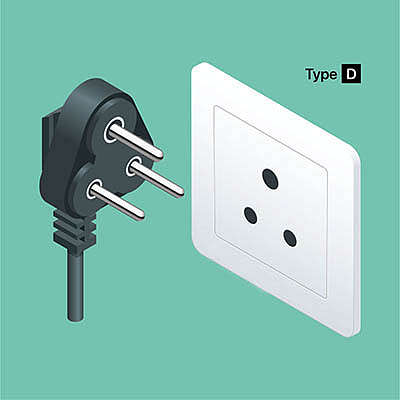
In South Sudan, the standard voltage is 230V, and the frequency is 50Hz. The country primarily uses Type C and Type D power sockets, which feature two round pins.

Socket sample 1Socket sample 2

Tours

View all tours

No featured routes yet

Route recommendations for this destination are coming soon.

Tour operators

View all operators